
How to Evaluate Beauty Product Value Before Buying
The New Definition of "Value" in Beauty
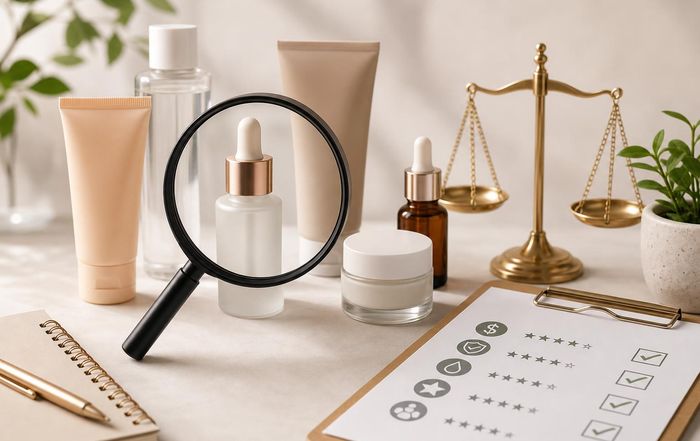
Discerning beauty consumers across North America, Europe, Asia, and beyond are no longer satisfied with simply asking whether a product works; they are asking whether it is worth their money, time, attention, and trust. On BeautyTipa this shift is evident in how newsletter subscribers and online readers approach every category, from advanced skincare and everyday makeup to wellness-driven health and fitness and food and nutrition choices that influence skin from within. Value is no longer a simple equation of price versus performance; it has become a multi-dimensional assessment that includes ingredient integrity, scientific backing, brand transparency, sustainability, ethical sourcing, technology integration, and long-term impact on skin, body, and planet.
This more complex understanding of value is influenced by rising consumer literacy, global regulatory changes, and the rapid expansion of digital information, where ingredient databases, dermatology resources, and regulatory portals are available within seconds. Consumers in the United States, United Kingdom, Germany, Canada, Australia, France, Italy, Spain, the Netherlands, Switzerland, Singapore, South Korea, Japan, and other key markets are using this information to challenge marketing claims and demand proof, consistency, and accountability. For BeautyTipa, whose glamorous readers consistently look for inspiring daily guidance on beauty, wellness, and trends, the central question is clear: how can an individual reliably evaluate the true value of a beauty product before committing to a purchase?
Understanding What "Value" Really Means in Beauty
Evaluating value requires recognizing that price alone is an incomplete metric. A low-cost product that causes irritation or fails to deliver promised results is ultimately expensive, while a higher-priced product with clinically validated efficacy, stable formulations, and long-term benefits may represent far better value over time. International dermatology communities, such as those referenced by the American Academy of Dermatology at aad.org, repeatedly emphasize that efficacy, tolerability, and appropriate use matter more than packaging prestige or social media popularity, particularly for consumers managing conditions such as acne, rosacea, hyperpigmentation, or sensitive skin.
Value also encompasses safety and regulatory compliance, particularly in regions with robust consumer protection frameworks. In the European Union, the European Commission outlines cosmetic regulations at ec.europa.eu, requiring safety assessments, ingredient restrictions, and clear labeling, while in the United States, the U.S. Food and Drug Administration provides cosmetic guidance at fda.gov. Consumers in markets such as the United Kingdom, Canada, Australia, South Korea, and Japan increasingly look to these resources to understand how well a product's claims are anchored in regulatory standards. For readers of BeautyTipa, this regulatory awareness is a cornerstone of informed decision-making, particularly when comparing products from multinational brands and emerging indie labels.
Reading Ingredient Lists with a Critical, Informed Eye
One of the most powerful skills a beauty consumer can develop is the ability to interpret an ingredient list beyond buzzwords and fear-based narratives. Ingredients are listed in descending order of concentration, and understanding where key actives appear on the list can provide early insight into potential performance. Resources such as the International Nomenclature of Cosmetic Ingredients (INCI) glossary at personalcarecouncil.org and ingredient databases like INCIDecoder at incidecoder.com enable consumers to research unfamiliar terms, compare formulations, and distinguish between marketing-friendly labels and meaningful inclusions.
Dermatology-aligned platforms, including DermNet at dermnetnz.org, offer evidence-based overviews of common cosmetic ingredients, their benefits, and potential side effects, which is particularly useful for individuals with sensitive or reactive skin in markets such as Scandinavia, Germany, and Japan where minimalist and barrier-focused routines are popular. For BeautyTipa readers exploring guides and tips, such resources support a more nuanced understanding of actives like retinoids, vitamin C, niacinamide, ceramides, and exfoliating acids, helping them gauge whether a product's ingredient profile aligns with their skin goals, tolerance, and existing routine.
Assessing Claims, Clinical Evidence, and Realistic Expectations
Marketing language in the beauty industry has grown increasingly sophisticated, often blurring the line between cosmetic and quasi-medical claims. Words such as "clinically proven," "dermatologist tested," and "medical-grade" are frequently used but not always rigorously defined. Reputable organizations, including the British Association of Dermatologists at bad.org.uk, stress the importance of distinguishing between in-vitro data, small internal brand studies, and robust, peer-reviewed clinical trials when evaluating the credibility of performance claims.
Academic databases such as PubMed at pubmed.ncbi.nlm.nih.gov allow consumers, professionals, and journalists to explore published research on specific ingredients or technologies, although interpreting such data requires caution and contextual understanding. For readers of BeautyTipa who follow technology and beauty, this evidence-based lens is particularly relevant when assessing new devices, AI-powered skin analysis tools, and biotech-derived actives that promise accelerated results. Evaluating whether a product provides transparent references to independent studies, clearly defined endpoints, and realistic timelines for results is essential in determining whether its claimed benefits justify its cost.
Price, Cost per Use, and Long-Term Economic Value
From a business and finance perspective, understanding cost per use is a more accurate way to gauge financial value than focusing solely on the retail price. A concentrated serum that lasts three to four months when used as directed may be more cost-effective than a cheaper alternative that requires heavy application or frequent repurchase. Financial education platforms such as Investopedia at investopedia.com highlight the importance of evaluating recurring expenses and opportunity costs, a principle that applies directly to beauty budgets in markets such as the United States, United Kingdom, and Singapore where consumers often juggle multiple premium products.
Economic research from organizations like the Organisation for Economic Co-operation and Development (OECD) at oecd.org underscores how inflation, currency fluctuations, and regional taxation affect consumer purchasing power across Europe, North America, and Asia-Pacific. For BeautyTipa readers in Germany, France, Italy, Spain, and the Nordics, understanding how these macroeconomic trends influence pricing can help them distinguish between genuine value and simple price anchoring or luxury positioning. Evaluating subscription models, loyalty programs, and refillable systems also contributes to a fuller picture of long-term value, particularly as major brands and retailers experiment with new purchasing frameworks in 2026.
Sustainability, Ethics, and the Hidden Dimensions of Value
For many consumers in Europe, North America, and increasingly in Asia, Africa, and South America, the ethical and environmental footprint of a product is now inseparable from its perceived value. International bodies such as the United Nations Environment Programme at unep.org document the environmental impact of plastic packaging, microplastics, and unsustainable sourcing of natural ingredients, encouraging both brands and consumers to adopt more responsible practices. When evaluating a product, discerning buyers consider whether packaging is recyclable or refillable, whether ingredients are responsibly sourced, and whether the brand participates in credible sustainability initiatives.
Certifications and standards from organizations like EcoCert at ecocert.com and Leaping Bunny at leapingbunny.org provide additional assurance for those prioritizing organic formulations or cruelty-free commitments. On BeautyTipa, readers tracking brands and products increasingly look for brands that can transparently demonstrate progress on climate goals, supply chain traceability, and social responsibility, understanding that ethical operations often correlate with long-term brand resilience and product consistency. In this context, value extends beyond personal benefit to encompass broader contributions to environmental and social well-being.
Personalization, Skin Type, and Lifestyle Fit
No matter how advanced a formula may be, a product that is poorly matched to an individual's skin type, climate, and lifestyle has limited value. Dermatology and public health authorities, including the World Health Organization at who.int, consistently remind consumers that factors such as UV exposure, pollution, diet, and stress significantly influence skin health, which means that product selection must be contextualized within a person's broader environment and habits. For example, a rich occlusive cream that performs well in the dry winters of Canada, Germany, or Scandinavia may be uncomfortable or comedogenic in the humid climates of Thailand, Malaysia, or Brazil.
Readers of BeautyTipa who explore routines and wellness content increasingly recognize that value arises from products that integrate seamlessly into daily life, are compatible with existing regimens, and support realistic, sustainable habits. Consumers in urban centers such as New York, London, Berlin, Toronto, Sydney, Seoul, and Tokyo may prioritize multi-functional products that save time without compromising efficacy, while those with more elaborate self-care rituals may derive value from sensorial details such as texture, fragrance, and ritualistic application. In all cases, alignment between product design and user lifestyle is a critical, often overlooked dimension of value.
Digital Reviews, Social Proof, and the Need for Critical Filtering
In 2026, social media platforms and e-commerce portals provide an abundance of user reviews, influencer endorsements, and sponsored content, creating both opportunities and risks for consumers trying to evaluate product value. Platforms such as Trustpilot at trustpilot.com and large online retailers offer aggregated ratings, but discerning readers must learn to differentiate between authentic, detailed feedback and superficial or incentivized commentary. Regulatory bodies like the Federal Trade Commission in the United States, accessible at ftc.gov, have issued guidance on disclosure of sponsored content, but enforcement remains uneven across regions and platforms.
For BeautyTipa and its international audience, social proof is most valuable when combined with pattern recognition and cross-referencing. When multiple independent reviewers across different regions, age groups, and skin types consistently report similar benefits or drawbacks, this convergence provides more meaningful insight than isolated testimonials. Readers who follow events and trends can also observe how products perform beyond launch hype, tracking whether they maintain positive reputations over time, attract professional endorsements, or become quietly discontinued. In this environment, critical thinking and media literacy are indispensable tools for evaluating true value.
Regulatory Context and Regional Nuances in Product Value
The perception and reality of product value are influenced by regional regulatory frameworks, cultural preferences, and market maturity. In the European Union, as outlined by the European Medicines Agency at ema.europa.eu, strict safety assessments and ingredient restrictions may give consumers greater baseline confidence in product safety, whereas in other regions, the burden of due diligence falls more heavily on the individual. In Asia, particularly in South Korea and Japan, innovation cycles in beauty are rapid, with frequent product launches and advanced formulations that sometimes reach global markets later, influencing how international consumers interpret novelty and value.
For readers of BeautyTipa interested in international perspectives, understanding these regional differences is crucial when purchasing products from overseas through cross-border e-commerce. Packaging, instructions, and claims may be tailored to local regulatory requirements, and ingredients permitted in one jurisdiction may be restricted in another. Evaluating value in this context requires attention to authenticity, import regulations, and potential formulation variations between markets such as the United States, United Kingdom, China, and the European Union, especially as regulatory bodies continue to refine standards in response to new scientific data and consumer expectations.
Technology, Innovation, and the Risk-Reward Balance
The intersection of technology and beauty has transformed how consumers discover, test, and evaluate products, but it has also introduced new complexities. AI-powered diagnostic tools, at-home devices, and biotech-derived ingredients promise personalized, high-performance solutions, yet their long-term efficacy and safety profiles are still being established. Industry research from organizations like the Personal Care Products Council at personalcarecouncil.org and innovation analysis from McKinsey & Company at mckinsey.com highlight both the potential and the uncertainty surrounding emerging technologies, particularly in fast-moving markets such as the United States, South Korea, and China.
For BeautyTipa readers, the key to evaluating value in technologically advanced products lies in balancing curiosity with caution. Products that offer transparent explanations of their underlying technology, provide realistic timelines for visible improvements, and share data from independent or third-party testing are generally more trustworthy than those relying solely on futuristic language or proprietary jargon. Consumers must also consider compatibility with existing skincare routines, potential learning curves, and the cost of maintenance or consumables associated with devices, recognizing that the initial purchase price may represent only part of the total investment.
Career, Professional Use, and Value from a Business Perspective
For professionals in beauty, wellness, and fashion-whether working in salons, spas, dermatology clinics, retail, or content creation-evaluating product value carries additional dimensions related to reputation, client satisfaction, and profitability. Industry-specific resources such as BeautyMatter at beautymatter.com and career-focused platforms aligned with jobs and employment trends emphasize that professionals must consider not only performance and cost but also training requirements, brand support, and after-sales service. A product that delivers consistent, visible results can build client loyalty and justify premium pricing, while unreliable products can damage both client trust and business margins.
For BeautyTipa readers operating in markets such as the United States, United Kingdom, Germany, Canada, Australia, and across Asia, the professional evaluation of product value often involves testing across diverse skin types, documenting results, and monitoring feedback over extended periods. Professionals must also navigate regulatory considerations, insurance implications, and evolving consumer expectations around safety, ethics, and sustainability. In this context, value is measured not just in immediate outcomes but in long-term brand equity, client retention, and alignment with a business's strategic positioning in a competitive global marketplace.
Integrating Holistic Wellness and Lifestyle into the Value Equation
Modern beauty value assessment increasingly intersects with holistic wellness, where skincare, nutrition, fitness, sleep, and stress management are recognized as interdependent. Health authorities and research institutions, including the Harvard T.H. Chan School of Public Health at hsph.harvard.edu, outline how diet quality, exercise, and lifestyle factors influence skin health, aging, and inflammatory conditions, reinforcing the idea that topical products are only one part of a broader strategy. For BeautyTipa, whose lovely readers engage with wellness, health and fitness, and food and nutrition content, this integrated perspective is central to understanding real-world value.
A product that promises dramatic transformation without acknowledging the role of sun protection, diet, sleep, and stress management may be overselling its capabilities. Conversely, products that position themselves as supportive tools within a holistic lifestyle-complementing SPF use, balanced nutrition, and regular exercise-tend to align more closely with realistic, sustainable outcomes. Evaluating value, therefore, involves asking how a product fits into one's broader health and wellness framework, whether it encourages or undermines healthy habits, and whether it supports long-term skin resilience rather than short-lived, surface-level effects.
Toward Smarter, More Confident Beauty Decisions
For the global Beautiful and successful online community of BeautyTipa, spanning North America, Europe, Asia, Africa, and South America, the ability to evaluate beauty product value before buying has become a critical life skill rather than a niche interest. In 2026, with unprecedented access to information, expert opinions, ingredient databases, and international perspectives, consumers are better equipped than ever to make decisions that reflect their personal priorities, budgets, ethics, and aspirations. Yet this abundance of information also demands discernment, patience, and a willingness to look beyond marketing narratives to the underlying realities of formulation, regulation, evidence, and lived experience.
By combining regulatory awareness, ingredient literacy, financial analysis, ethical considerations, technological understanding, and holistic wellness perspectives, individuals can construct their own value frameworks that serve them across categories, from skincare and makeup to fashion and beauty more broadly. As BeautyTipa continues to explore innovations, trends, and expert insights from around the world, its role is to support readers in translating complex industry developments into practical, trustworthy guidance that respects their intelligence and individuality. In this evolving landscape, true value is defined not by fleeting hype but by informed, confident choices that enhance both personal well-being and collective responsibility.
