
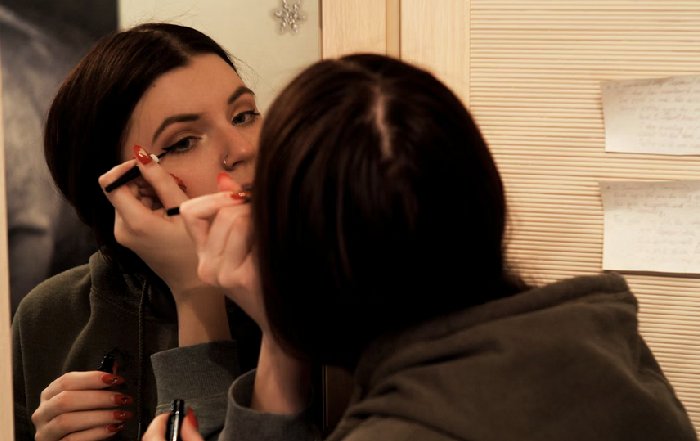
How to Achieve a Professional Makeup Look at Home
The New Era of At-Home Professional Makeup
The line between professional studio makeup and at-home routines has blurred dramatically, driven by advances in digital tools, high-performance formulations, and a more educated global consumer base. Audiences from the United States and United Kingdom to South Korea, Japan, Brazil, and across Europe and Asia are no longer satisfied with basic everyday looks; they expect camera-ready complexions, editorial-level eye makeup, and long-wear finishes that perform under office lighting, 4K video calls, and social media scrutiny. For readers of BeautyTipa-already engaged with beauty, makeup, and the broader lifestyle ecosystem-this shift is both an opportunity and a challenge: the tools are available, but mastering them requires structured knowledge, expert-driven techniques, and a strategic approach.
Professional artists working with global brands such as L'Oréal, Estée Lauder, Shiseido, and Lancôme consistently emphasize that a professional look is not merely about buying more products; it is about understanding skin, light, structure, and texture, then applying products in a precise, layered way. As digital education from platforms like YouTube Beauty and MasterClass has matured, consumers now expect clear, practical guidance that turns theory into repeatable routines. This is where BeautyTipa positions itself: at the intersection of expertise, authoritativeness, and trust, offering readers a framework that makes professional-level results achievable in a home environment without sacrificing skin health, time efficiency, or personal style.
Building a Professional Base: Skin Preparation as the Foundation
Every professional makeup artist, from Pat McGrath to Lisa Eldridge, agrees that the most important element of a professional makeup look is not the foundation itself but the preparation that precedes it. In 2026, skin preparation has evolved into a hybrid of skincare and priming, reflecting the global shift toward skin health and barrier support. Readers who follow BeautyTipa's dedicated coverage on skincare and wellness already understand that makeup will only sit as well as the skin allows.
A professional at-home routine begins with a gentle cleanse tailored to skin type, avoiding harsh surfactants that can strip the barrier. Dermatology organizations such as the American Academy of Dermatology emphasize the importance of pH-balanced cleansers and consistent moisturization to maintain barrier function, which directly influences how foundation adheres and wears. After cleansing, a targeted hydrating step-using essences, serums, or lightweight lotions rich in humectants like glycerin and hyaluronic acid-helps plump the skin, reduce the appearance of fine lines, and create a smoother canvas.
Moisturizer selection has become more strategic, especially for audiences in climates as diverse as Scandinavia, Southeast Asia, and North America. Those in drier regions such as Canada, Germany, and the Northern United States may require richer, ceramide-based creams, while humid markets like Singapore, Thailand, and Brazil often benefit from gel-cream textures. Resources such as Harvard Health provide accessible explanations on skin barrier science that help consumers make informed choices. Once hydration is secured, a professional-grade primer is applied according to specific needs: silicone-based blurring primers for enlarged pores, gripping primers for longevity in hot climates, or illuminating formulas with finely milled pearls for a soft-focus radiance that reads well on camera and in person.
For readers seeking step-by-step routines, BeautyTipa's dedicated routines section offers structured guidance on integrating skincare and makeup prep, ensuring that skin health remains central while performance is optimized.
Mastering Complexion: Foundation, Concealer, and Strategic Coverage
Achieving a professional complexion at home in 2026 is less about heavy coverage and more about strategic placement and texture control. Professional artists working with brands like NARS, Make Up For Ever, and Charlotte Tilbury consistently advocate a "less but better" philosophy, where foundation is applied sparingly and built up only where necessary. Consumers can deepen their understanding of color matching and undertones through educational resources from organizations such as the British Association of Dermatologists, which explain how skin tone and undertone interact with light and pigment.
A professional approach starts with accurate shade matching under natural daylight, ideally near a window, to prevent the common issue of mismatched foundation that appears too warm or too cool under different lighting conditions. Rather than relying solely on jawline swatches, applying a thin stripe that crosses cheek, jaw, and neck helps ensure continuity, especially important for high-definition cameras and conference calls. Once the correct shade and formula are chosen-matte for oily skin, satin for combination, and dewy or serum foundations for dry or mature skin-the application technique becomes the differentiator between amateur and professional results.
In a studio, artists may use airbrushing or specialized tools, but at home, a dense buffing brush or damp sponge can approximate that effect when used thoughtfully. Pressing and rolling motions with a sponge, rather than dragging, minimize streaks and help the product meld with the skin's natural texture. Concealer is then used as a precision tool, not a second foundation layer. Under the eyes, a slightly peach-toned formula counteracts blue or purple tones, while a neutral shade is reserved for blemishes and redness around the nose or chin. The Mayo Clinic provides helpful information on common skin concerns such as dark circles and rosacea, allowing consumers to align product choices with underlying causes rather than symptoms alone.
For those building a professional-level kit at home, BeautyTipa's brands and products hub offers curated insights into formulations that balance coverage, longevity, and skin compatibility, tailored to different markets, from the humidity of South Korea and Japan to the drier climates of Australia and the United States.
Sculpting Dimension: Contour, Bronzer, and Blush with Precision
One of the hallmarks of professional makeup is the subtle yet transformative use of contour, bronzer, and blush to create structure and vitality without visible demarcation lines. In 2026, the widespread influence of K-beauty and J-beauty from South Korea and Japan has encouraged a more nuanced, skin-like approach, even as Western trends in the United States, United Kingdom, and Europe continue to embrace sculpted features for editorial and social media looks.
Professional contouring at home begins with understanding face shape-oval, round, square, heart, or diamond-and using that knowledge to decide where to add shadow and light. Educational content from institutions such as the Fashion Institute of Technology helps illuminate how light and shade alter perceived proportions, a principle borrowed from art and photography. A cool-toned contour product, ideally in cream form for a more natural blend, is placed under the cheekbones, along the jawline, and at the temples, then diffused with a brush or sponge until the edges are imperceptible. Bronzer, which should be warmer and more sun-kissed in tone, is applied more generously on the high points of the face to simulate natural warmth, connecting forehead, cheeks, and nose in a seamless gradient.
Blush has undergone a renaissance in recent years, influenced by trends from France, Italy, and Spain, where a fresh, healthy flush is associated with vitality and elegance. Liquid and cream blushes, often infused with skincare ingredients like niacinamide and squalane, allow for a translucent, buildable effect that reads as skin rather than pigment sitting on top of it. Strategic placement-higher on the cheekbones for a lifting effect, or closer to the apples for a youthful appearance-can subtly alter the perceived structure of the face, a technique frequently demonstrated by editorial artists and supported by research into facial symmetry and attractiveness from sources such as Psychology Today.
Readers seeking to translate these techniques into daily practice can explore BeautyTipa's guides and tips section, where professional concepts are broken down into actionable steps suitable for different skill levels and cultural aesthetics, from minimal Nordic looks to more expressive Latin American styles.
Eyes That Read Professional: Brows, Liner, and Shadow Strategy
In a professional makeup look, the eyes are often the focal point, yet the most polished results come from a careful balance of structure, contrast, and restraint. By 2026, global trends influenced by Huda Beauty, MAC Cosmetics, and Urban Decay have merged with the softer, gradient techniques seen in Korean and Japanese artistry, resulting in hybrid looks that are both defined and wearable across work environments in North America, Europe, and Asia.
Brows form the architectural frame of the face, and professional artists increasingly treat them as a separate design element. The shift away from overly sculpted, heavily filled brows toward a more structured yet natural style aligns with broader wellness and authenticity trends. Resources such as Allure provide ongoing coverage of brow innovations, from lamination to microshading, but at home, the focus is on precise grooming and realistic hair-like strokes. A fine-tipped pencil or pen is used to fill sparse areas, followed by a tinted or clear gel to set the shape and add dimension without stiffness.
For eyeshadow, a professional look is less about using many colors and more about mastering gradient, placement, and blending. A neutral matte shade close to the skin tone preps the lid, ensuring smoother transitions. A mid-tone shade in the crease adds depth, while a slightly deeper tone at the outer corner creates subtle lift. Shimmer, when used, is kept to the center of the lid or inner corner to catch light without emphasizing texture. Tutorials from platforms like Sephora's online learning hub demonstrate these principles with visual clarity, but the underlying logic remains consistent: every shade serves a structural purpose.
Eyeliner and mascara complete the professional eye. Tight-lining the upper waterline with a long-wear pencil intensifies the lash base without a visible harsh line, a technique favored in corporate environments in cities like London, Frankfurt, Toronto, and Sydney where subtlety is prized. Liquid or gel liner can then be added in a thin, controlled line close to the lashes, with a small flick tailored to eye shape rather than trend. Curling the lashes and applying a lengthening, smudge-resistant mascara ensures definition that holds through long workdays, travel, and high-humidity climates in regions such as Singapore, Malaysia, and South Africa.
For readers of BeautyTipa, the makeup channel consolidates evolving eye trends and techniques, helping users translate runway and red-carpet aesthetics into office-appropriate or event-ready looks that still feel professional and polished.
Lips, Finish, and Setting: The Final Professional Polish
A professional makeup look is not complete without a considered approach to lips and overall finish, which together signal intention and sophistication. In 2026, lip trends are heavily influenced by global markets: soft, blurred finishes from South Korea and Japan; bold, saturated reds from France and Italy; and nude, office-friendly shades favored in the United States, United Kingdom, Germany, and the Netherlands. Regardless of color choice, the professional secret lies in preparation, precision, and balance with the rest of the face.
Lip preparation begins with gentle exfoliation and hydration, especially in colder climates like Scandinavia, Canada, and parts of China where dryness is a common concern. Health resources such as Cleveland Clinic provide guidance on treating chronically dry or cracked lips, which can undermine even the best lipstick application. Once the lips are smooth, a neutral lip liner close to the natural lip tone is used to define the shape, correct asymmetries, and prevent feathering. This step creates a subtle boundary that keeps color in place and adds a professional, finished quality even to softer shades.
Lip color selection is then guided by context. In boardrooms from New York to Zurich and Singapore, muted rose, mauve, and beige tones communicate polish without distraction, while networking events, conferences, and evening functions in cities like Paris, Milan, and Madrid may invite bolder reds or plums. Long-wear formulas, now improved with more comfortable, flexible technologies, allow for extended wear without excessive dryness, though it remains essential to rehydrate periodically. Beauty journalism from outlets like Vogue continues to highlight how lip color can function as a strategic branding tool for professionals, reinforcing individuality while maintaining a cohesive, credible appearance.
To finish the entire look, setting products are used intelligently rather than indiscriminately. A finely milled translucent powder is pressed-not swept-onto areas prone to shine, such as the T-zone, using a puff or small brush to maintain the integrity of the underlying coverage. For those in hot, humid climates across Asia, Africa, and South America, this step is crucial to prevent makeup breakdown. A setting spray then melds the layers together, reducing any powdery finish and extending wear. Many contemporary formulas incorporate skincare ingredients, reflecting the broader convergence of beauty and wellness that BeautyTipa explores in its health and fitness and food and nutrition coverage, where internal and external care are treated as two halves of the same equation.
Technology, Tools, and the Business of At-Home Professional Makeup
The ability to achieve a professional makeup look at home in 2026 is not only a matter of technique and product; it is also a reflection of broader shifts in beauty technology, e-commerce, and consumer education. Virtual try-on tools powered by augmented reality from companies like Perfect Corp and integrated into platforms such as Google's AR beauty experiences allow users from the United States to South Africa and New Zealand to experiment with shades and finishes before purchasing, dramatically reducing guesswork. Artificial intelligence-driven recommendations, increasingly used by global retailers and brands, analyze skin tone, type, and preferences to suggest tailored routines, aligning with the personalized, data-driven approach to beauty that BeautyTipa examines in its technology and beauty section.
From a business and finance perspective, the growth of at-home professional makeup has reshaped the industry's value chain. Direct-to-consumer brands, subscription models, and professional-grade lines designed for non-professionals have proliferated, as documented by organizations such as McKinsey & Company and the Business of Fashion. Consumers in markets from the United States and Canada to China and Brazil are investing in fewer but higher-quality products, prioritizing performance and ethical considerations such as cruelty-free status, clean formulations, and sustainable packaging. This shift has created new career paths in content creation, virtual artistry, and brand consulting, trends that BeautyTipa follows closely in its business and finance and jobs and employment coverage.
Tools have also become more sophisticated yet more accessible. Synthetic brushes rival natural hair in performance while meeting the ethical standards demanded in Scandinavia, the European Union, and many parts of North America. Reusable sponges, brush-cleaning devices, and portable LED mirrors with adjustable color temperature help home users approximate studio conditions. Insights from design-focused institutions like the Parsons School of Design underline how ergonomics and industrial design have improved usability, making professional techniques easier to execute consistently.
For BeautyTipa, which serves a global audience across Europe, Asia, Africa, North America, and South America, this convergence of technology, business innovation, and consumer empowerment is central to its editorial mission, connecting the artistry of makeup with the economic and technological forces shaping how beauty is created, consumed, and experienced.
Global Trends, Cultural Nuance, and Personalization
While the technical aspects of achieving a professional makeup look at home are universal, cultural preferences and regional trends remain highly influential. In the United States, Canada, and Australia, there is a strong demand for versatile looks that transition from office to evening, reflecting flexible work cultures and active social lives. In the United Kingdom, Germany, the Netherlands, and Switzerland, understated elegance and subtle sophistication often take precedence, aligning with corporate norms and minimalist design sensibilities. Across France, Italy, and Spain, a more expressive, fashion-forward approach can be observed, where makeup is used as a deliberate style statement in harmony with wardrobe choices, a connection explored regularly in BeautyTipa's fashion section.
In Asia, particularly in South Korea, Japan, Thailand, Singapore, and China, skin luminosity, gradient lips, and softly defined eyes remain popular, supported by advanced skincare routines and innovative textures that blur the line between skincare and makeup. African markets, including South Africa and emerging hubs across the continent, are driving demand for inclusive shade ranges, heat-resistant formulas, and vibrant color stories that reflect rich cultural traditions and diverse skin tones. Latin American countries such as Brazil increasingly favor long-wear, sweat-resistant products that withstand tropical climates while supporting bold, expressive aesthetics.
International organizations like the World Economic Forum have highlighted how beauty is intertwined with identity, culture, and economic development, reinforcing the importance of nuance and respect in global beauty conversations. BeautyTipa's international coverage reflects this reality, showcasing how professional techniques can be adapted to local preferences, workplace expectations, and social norms, ensuring that a "professional" look never becomes a one-size-fits-all prescription.
Integrating Professional Makeup into a Holistic Lifestyle
Ultimately, achieving a professional makeup look at home is not an isolated skill but part of a broader lifestyle that integrates beauty, wellness, fashion, and personal branding. Readers of BeautyTipa understand that makeup sits alongside sleep quality, nutrition, fitness, and stress management in shaping how they present themselves to the world. Research from institutions such as the World Health Organization continues to underline the impact of holistic health on skin quality, energy levels, and overall appearance, reinforcing the idea that the most convincing professional makeup looks are built on a foundation of well-being.
By combining structured routines, informed product choices, and an awareness of global trends, individuals can create at-home looks that rival professional applications in studios from New York to London, Seoul, Tokyo, Dubai, and São Paulo. As BeautyTipa continues to expand its coverage across trends, events, and the broader beauty ecosystem, it remains committed to providing the experience, expertise, authoritativeness, and trustworthiness that readers need to navigate a rapidly evolving landscape.
In this environment, the professional makeup look at home becomes more than a technical achievement; it is a strategic tool for self-expression, career advancement, and cross-cultural communication, empowering individuals worldwide to present their most confident, polished, and authentic selves every day.
