
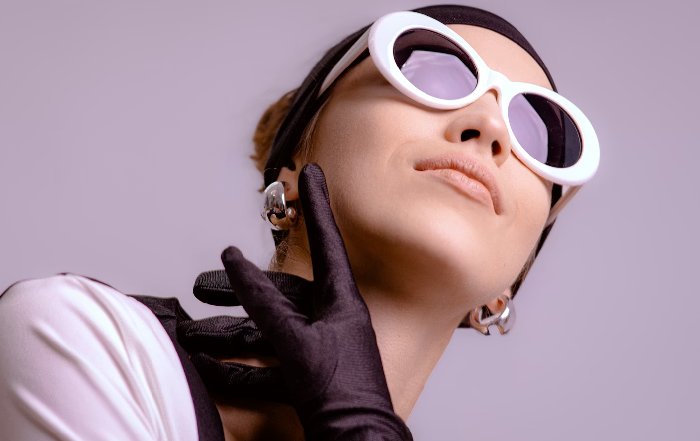
The Synergy Between Fashion Accessories and Makeup
How Accessories and Makeup Became a Single Style Language
The global beauty and fashion landscape has evolved into an ecosystem where makeup and fashion accessories no longer operate as separate style decisions but as a unified visual language that signals identity, status, cultural belonging, and personal values. On BeautyTipa, this convergence is visible in every editorial choice, from coverage of seasonal beauty narratives to in-depth analysis of how accessories, color palettes, and complexion products work together to tell a cohesive story about the modern consumer in the United States, the United Kingdom, Germany, Canada, Australia, and across Europe and Asia.
This synergy has been shaped by several powerful forces: the dominance of visual platforms such as Instagram, TikTok, and Pinterest, the rapid growth of the global beauty market documented by organizations like McKinsey & Company, and the rise of omnichannel luxury and premium brands in North America, Europe, and Asia, where accessories and makeup are increasingly marketed as curated sets rather than isolated purchases. Consumers in cities from New York and London to Seoul, Tokyo, Paris, and São Paulo are no longer simply choosing a lipstick or a handbag; they are assembling a visual ecosystem that must make sense on camera, on social media, and in real life.
For BeautyTipa, which sits at the intersection of trends, fashion, makeup, and skincare, this shift offers a powerful lens to understand how brands, consumers, and professionals can build more coherent, trusted, and future-ready beauty strategies.
The Psychology of Coordination: Why Accessories and Makeup Must Align
The synergy between accessories and makeup is not merely aesthetic; it is grounded in consumer psychology and perception science. Research published through institutions such as the American Psychological Association and color-focused organizations like the Pantone Color Institute has repeatedly shown that viewers form impressions of a person's competence, warmth, and creativity within seconds, relying heavily on color harmony, visual balance, and perceived intentionality of style choices.
When a lip color echoes the tone of a handbag strap, or when the reflective finish of a metallic eyeliner mirrors the sheen of earrings or a watch, the brain interprets this as coherence and control, which in professional contexts in the United States, United Kingdom, Germany, and Singapore can translate into higher perceived reliability and authority. In more expressive markets like Brazil, South Africa, and parts of Asia, bolder coordination between statement accessories and vivid makeup can signal confidence, individuality, and cultural pride.
On BeautyTipa, this psychological dimension is increasingly central to guides and tips that help readers move beyond basic color matching and toward strategic coordination, where a person consciously leverages accessories and cosmetics to shape how they are perceived in boardrooms, social events, and digital platforms.
Color Stories: From Runway Theory to Everyday Routines
Color is the most visible point of contact between accessories and makeup, and by 2026, color stories have become a core tool for both professional stylists and everyday consumers. Fashion weeks in cities such as Paris, Milan, London, and New York, tracked by organizations like the Council of Fashion Designers of America and British Fashion Council, now routinely present runway looks in which bags, belts, jewelry, and even tech accessories are deliberately calibrated with lip, eye, and cheek products from partnering beauty houses.
Translating this to daily life, consumers in Canada, Australia, Japan, South Korea, and Scandinavia are increasingly building "capsule color wardrobes" for both makeup and accessories, selecting a small number of shades that work across multiple contexts. A taupe leather tote, a rose-nude lipstick, and a soft brown kohl pencil become a weekday uniform, while a scarlet clutch, a matching red lip, and a warm-toned blush are reserved for evening or event-driven looks. This approach simplifies decision-making, reduces visual clutter, and supports more sustainable consumption, in line with guidance from organizations like the Ellen MacArthur Foundation that advocate circular and mindful fashion.
On BeautyTipa, color-based routines are increasingly presented as integrated narratives, where readers can see how a single color family can shape their makeup bag, jewelry box, and even their nail polish collection, reinforcing the idea that synergy begins with a disciplined, well-curated palette.
Textures, Finishes, and Materials: The New Dimension of Harmony
Beyond color, textures and finishes play a critical role in the synergy between fashion accessories and makeup. Matched or intentionally contrasted textures can dramatically influence how polished, modern, or experimental a look appears, and this is particularly relevant in markets like Switzerland, the Netherlands, Denmark, and Norway, where minimalist aesthetics dominate.
Matte leather handbags paired with satin-finish lipsticks and softly diffused matte eyeshadows can create a refined and understated appearance suitable for corporate environments, while high-shine patent shoes combined with glossy lips, shimmering highlighter, and crystal-embellished jewelry can signal a more festive or nightlife-ready energy. Contemporary research on material perception and light reflection, often referenced by design schools such as the Parsons School of Design and Central Saint Martins, underlines how reflections and surface qualities can shape visual focus and emotional response.
For BeautyTipa, this material dimension has become essential to technology and beauty coverage as well, because wearables such as smartwatches, AR-enabled glasses, and wireless earbuds now function as accessories that must integrate visually with both makeup finishes and traditional jewelry, particularly in tech-forward markets like the United States, South Korea, Singapore, and Japan.
Cultural and Regional Expressions of Synergy
The synergy between fashion accessories and makeup manifests differently across regions, shaped by cultural norms, climate, and local beauty standards. In North America and Western Europe, where trends are heavily influenced by major houses like LVMH, Kering, and Estée Lauder Companies, there is a strong emphasis on brand-driven coordination, where consumers often purchase matching accessories and cosmetics from the same group to achieve a cohesive aesthetic.
In East Asia, especially South Korea and Japan, the rise of K-beauty and J-beauty has introduced a softer, more skin-focused approach, where delicate accessories such as thin gold chains, minimalist earrings, and pastel hair clips are coordinated with gradient lips, glass-skin highlighters, and subtle eyeliner, a style widely documented by platforms like Vogue and Allure. Meanwhile, in markets like Brazil, South Africa, and parts of Southeast Asia including Thailand and Malaysia, bolder color contrasts, intricate hair accessories, and vivid pigments are often celebrated as expressions of cultural vibrancy and resilience.
For the international readership of BeautyTipa, particularly those exploring international perspectives, understanding these regional nuances is essential for brands planning cross-border campaigns and for professionals in fashion, beauty, and retail who must translate a global vision into locally resonant styling and merchandising strategies.
The Role of Skincare and Wellness in Accessory-Driven Looks
Although accessories and makeup are the most visible elements of style synergy, skincare and wellness form the crucial foundation that allows these elements to perform at their best. Healthy, hydrated skin enhances the impact of earrings, necklaces, and hair accessories by providing a smooth, luminous canvas that reflects light in a flattering way, while well-managed stress, sleep, and nutrition influence how makeup sits on the skin and how colors appear in different lighting conditions.
Organizations such as the World Health Organization and Harvard T.H. Chan School of Public Health continue to highlight the impact of sleep, diet, and environmental exposure on skin health, while dermatology bodies like the American Academy of Dermatology provide evidence-based recommendations for photoprotection, barrier support, and anti-inflammatory routines. Consumers in markets like France, Italy, Spain, and the Nordic countries are increasingly adopting this holistic perspective, prioritizing sunscreen, antioxidants, and gentle exfoliation before layering color cosmetics and accessories.
On BeautyTipa, the connection between wellness, health and fitness, and visual styling is made explicit, encouraging readers to view their accessory and makeup choices not as camouflage but as amplifiers of an already well-supported complexion and lifestyle.
Brand Strategies: Curating Complete Looks for the 2026 Consumer
The synergy between fashion accessories and makeup has transformed brand strategy across luxury, premium, and mass segments. Major conglomerates and independent labels alike are increasingly launching cross-category collaborations that bundle accessories and beauty products into cohesive capsules, a trend tracked by analysts at firms such as Deloitte and Bain & Company.
In the United States, United Kingdom, and continental Europe, it is now common to see capsule collections where a limited-edition lipstick shade is released simultaneously with a coordinated handbag, sunglasses, or jewelry line, often co-created with influencers or celebrities whose personal brand is built on recognizable color signatures. In Asia, particularly in China and South Korea, e-commerce platforms and live-streaming ecosystems have further accelerated this integration, with hosts demonstrating complete looks that combine earrings, hair accessories, and full-face makeup in real time.
For BeautyTipa, which closely follows brands and products and the business side of beauty, these strategies are not only aesthetic but deeply financial. Cross-category coordination increases basket size, encourages repeat purchases, and strengthens brand loyalty, as consumers come to rely on a single brand or ecosystem to solve multiple style needs in a coherent and time-efficient way.
Technology, Data, and the Future of Personalized Synergy
By 2026, technology has become a critical enabler of synergy between fashion accessories and makeup. Augmented reality and virtual try-on tools, pioneered by companies such as Perfect Corp. and integrated into platforms owned by L'Oréal and Sephora, allow users to test lipstick, eyeshadow, and blush shades while simultaneously previewing how they will look with virtual earrings, glasses, or headbands. Reports from organizations like the World Economic Forum and MIT Sloan Management Review highlight how AI-driven recommendation engines now analyze skin tone, undertone, personal style data, and even wardrobe photos to suggest coordinated accessory and makeup combinations.
This has profound implications for consumers in markets from the United States and Canada to Singapore, the United Arab Emirates, and New Zealand, where omnichannel shopping is the norm. In-store smart mirrors and mobile apps can now recommend a specific pair of gold hoops to match a warm-toned bronzer and a peach lip gloss, or propose a silver-toned watch and cool berry lipstick combination for a Nordic or Japanese consumer whose wardrobe leans toward grayscale minimalism.
On BeautyTipa, coverage of technology and beauty increasingly focuses on how these tools can be used responsibly and inclusively, ensuring that algorithms do not reinforce narrow beauty standards but instead support diverse skin tones, cultural aesthetics, and style preferences across Europe, Asia, Africa, and the Americas.
Professional Opportunities: Careers at the Intersection of Beauty and Fashion
The integration of accessories and makeup has also reshaped the job market, creating new professional roles and expanding existing ones across North America, Europe, and Asia-Pacific. Stylists, makeup artists, and image consultants are now expected to operate fluently across both categories, crafting looks that consider jewelry, bags, footwear, and hair accessories alongside complexion products, color cosmetics, and even fragrance.
Educational institutions and vocational programs, supported by industry bodies such as the Fashion Institute of Technology and London College of Fashion, are increasingly offering integrated curricula that teach color theory, materials science, digital styling, and business fundamentals in a single track. This allows graduates to serve clients in corporate environments, entertainment, luxury retail, and digital content creation more effectively, particularly in competitive markets like the United States, United Kingdom, Germany, and South Korea.
For readers of BeautyTipa exploring jobs and employment, this convergence signals a clear opportunity: professionals who can articulate and execute the synergy between fashion accessories and makeup will be better positioned to work with global brands, international agencies, and high-profile clients seeking cohesive and camera-ready identities.
Financial and Strategic Implications for Businesses
From a business and finance perspective, the synergy between accessories and makeup offers both revenue growth and differentiation opportunities. Bundled offerings, curated sets, and cross-category collaborations increase average transaction values and enable premium pricing, as consumers are often willing to pay more for curated solutions that reduce decision fatigue and ensure stylistic cohesion. Analysts from organizations such as Euromonitor International and Statista have documented steady growth in multi-category beauty and fashion spending, particularly among Gen Z and millennial consumers in markets like the United States, United Kingdom, France, Italy, and China.
Retailers and direct-to-consumer brands are also leveraging data to identify which combinations of accessories and makeup generate the highest conversion rates, using this insight to shape merchandising, promotional campaigns, and even product development roadmaps. Strategic partnerships between beauty brands and accessory labels, whether in the luxury or accessible premium segments, can create new revenue streams while deepening brand equity.
On BeautyTipa, the business and finance coverage increasingly emphasizes that companies which treat accessories and makeup as interconnected rather than siloed categories are better equipped to build resilient, customer-centric models that can withstand economic fluctuations and shifting consumer behaviors across global markets.
Sustainability, Ethics, and Responsible Consumption
As consumers in Europe, North America, and Asia-Pacific become more conscious of environmental and ethical concerns, the synergy between accessories and makeup must also be evaluated through a sustainability lens. Coordinated purchasing can either encourage overconsumption or, if approached thoughtfully, support more intentional and long-lasting wardrobes and beauty collections. Organizations such as the UN Environment Programme and Fashion Revolution continue to call for transparency, circular design, and reduced waste in fashion and beauty supply chains.
When consumers adopt capsule approaches and invest in timeless accessories and versatile makeup shades that can be recombined in multiple ways, they reduce the need for constant replacement and impulse buying. This is particularly relevant in countries like Germany, the Netherlands, Sweden, and Denmark, where sustainability-minded shoppers expect brands to provide repair services, refillable packaging, and ethically sourced materials. In beauty, refillable lipsticks, palettes, and compacts can be matched with durable, high-quality accessories, creating a cohesive yet low-waste aesthetic strategy.
For BeautyTipa, which increasingly addresses these concerns across food and nutrition, wellness, and beauty content, the message is clear: synergy must not only be visually compelling but also aligned with long-term environmental and social responsibility.
Events, Influencers, and the Live Demonstration of Synergy
Global events, from fashion weeks and beauty expos to influencer-led masterclasses and live-streaming marathons, serve as powerful stages where the synergy between accessories and makeup is performed and refined in real time. Major shows in New York, London, Milan, Paris, Seoul, and Shanghai, along with trade fairs documented by organizations like Cosmoprof and Première Vision, now feature dedicated segments where makeup artists and stylists collaborate to present fully integrated looks.
Influencers in markets such as the United States, United Kingdom, France, South Korea, and Brazil have become particularly adept at demonstrating how a single pair of earrings or a statement bag can transform a makeup look, or conversely, how a bold eye or lip can reframe simple accessories. These creators often provide shoppable links and breakdowns that encourage audiences to purchase both categories together, further normalizing the expectation of synergy.
On BeautyTipa, coverage of events highlights how these live and digital showcases not only shape consumer desire but also provide valuable feedback loops to brands, who can observe which combinations gain traction across regions, age groups, and style tribes.
What Synergy Means for the BeautyTipa Reader
For the global audience here, spanning North America, Europe, Asia, Africa, and South America, the synergy between fashion accessories and makeup in 2026 represents an opportunity to build a more intentional, expressive, and future-ready personal brand. Whether a reader is refining a minimalist wardrobe in Sweden, experimenting with bold color in Brazil, navigating corporate expectations in Germany or Singapore, or building a creative portfolio in the United States, the principles remain constant: a cohesive color story, thoughtful texture coordination, cultural sensitivity, and a foundation of wellness and skincare.
By approaching style holistically-drawing on resources across BeautyTipa, from skincare and makeup to fashion and trends-readers can move beyond ad hoc purchases and toward curated ecosystems of products that support both their daily lives and long-term goals. In this integrated vision, accessories and makeup are not competing focal points but complementary tools, working together to project clarity, confidence, and authenticity in every setting, from the boardroom and the studio to the street and the screen.
