
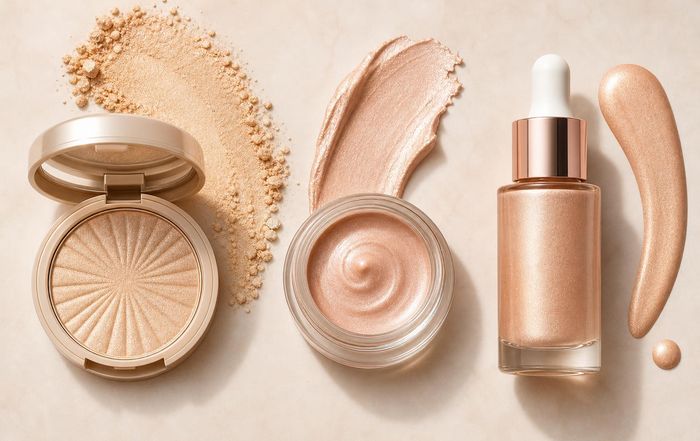
Understanding Powder, Cream, and Liquid Highlighters: How to Choose and Use Each Formula
Highlighter has become a staple in modern makeup routines, whether the goal is a subtle "lit from within" glow or a bold, editorial sheen. Yet many people still feel unsure about which formula to choose-powder, cream, or liquid-or how to make different textures work with their skin type, foundation, and daily routine. Understanding how each version behaves on the skin, the finish it creates, and the best application techniques can make the difference between a flattering radiance and an accentuated pore party.
This guide unpacks the strengths and weaknesses of powder, cream, and liquid highlighters, with practical tips on choosing the right product and applying it seamlessly. It also touches on ingredients, skin-health considerations, and current trends, so the glow you get is not only beautiful but also comfortable and realistic for everyday wear.
What Highlighter Actually Does (And What It Doesn't)
Highlighter is designed to mimic the way light naturally hits the high points of the face-cheekbones, brow bones, the bridge of the nose, cupid's bow, and sometimes the temples or inner corners of the eyes. Unlike contour products, which create shadow and depth, highlighter brings features forward by reflecting light.
Most modern highlighters use a combination of reflective particles (such as mica or synthetic fluorphlogopite), emollients, and binders. The size and concentration of the shimmer particles largely determine the finish: micro-fine shimmer looks like a soft sheen, while larger particles can look glittery or metallic. Dermatologists often note that very reflective or frosty formulas can emphasize skin texture, fine lines, and enlarged pores, especially on dry or mature skin. The American Academy of Dermatology advises that makeup for textured or aging skin generally looks smoother when it contains finer, more diffused pigments, which is one reason formula choice matters so much with highlighter.
Highlighter is also not a substitute for good skincare. A dehydrated or irritated skin barrier will make even the most expensive formula sit on top of the skin, catch on dry patches, and look uneven. Pairing highlighter with a consistent skincare routine that includes gentle cleansing, moisturizing, and sun protection is essential. Readers interested in strengthening the base of their makeup may want to explore dedicated skincare and wellness guidance before focusing on glow products.
Powder Highlighters: Buildable Shine with Long Wear
Powder highlighters are typically pressed or baked formulas in a compact, though some come as loose powders. They are made by binding reflective pigments with powders like talc, silica, or starches, and they are often the easiest type to control and blend, especially for beginners.
Powder formulas tend to work best on normal, combination, and oily skin types because they help absorb excess oil and sit comfortably over powder-set foundations. When applied with a fluffy highlighting brush, they create a controlled, diffused glow that can be built up from subtle to intense. Many makeup artists recommend using a tapered brush and tapping off excess product before sweeping it over the tops of the cheekbones and other high points. Because powder sits on top of the skin rather than melting into it, it can be more forgiving on areas where you do not want product to migrate, such as near the under-eye area or along the sides of the nose. Brands often design powder highlighters in a wide range of shades and undertones, making it easier to find a match for very fair to deep skin tones.
However, powder highlighter can emphasize dryness and fine lines, especially if the formula is very metallic or if it is layered over a heavy, matte base. The U.S. Food and Drug Administration (FDA) notes that many powder cosmetics contain mica and other mineral pigments that are safe for general use but can be visually unforgiving on rough texture. On mature or dry skin, a powder highlighter that contains some emollients or is marketed as "baked gelée" or "cream-to-powder" may sit more smoothly. For those who prefer a powder but struggle with a chalky look, lightly misting the face with a setting spray after application can help meld the layers together, creating a more skin-like finish.
Powder highlighters also work well in more complex routines that involve contouring, bronzing, and blush layering. They tend to play nicely with other powder products and are less likely to disturb underlying foundation. Readers who enjoy structured makeup routines and want to learn more about building a full face with bronzer, blush, and highlight may find additional ideas in the site's beauty and makeup sections.
Cream Highlighters: Skin-Like Glow and Flexible Coverage
Cream highlighters come in sticks, pots, compacts, or twist-up tubes, and they usually contain a mix of oils, waxes, and emollients. Because they are semi-solid, they offer more structure than liquids but more slip than powders, making them a favorite for those who prefer a natural, dewy finish. On the skin, cream highlighters tend to create a "second skin" effect, especially when tapped in with fingers or a damp sponge. They can be ideal for normal to dry skin types and for anyone who prefers lighter, more hydrating base products such as tinted moisturizers or cream foundations.
One of the main advantages of cream formulas is their blendability. They can be applied under or over foundation, depending on the desired intensity, and they often layer well with cream blush and bronzer. Many professional artists recommend applying cream highlighter after base but before any setting powder, to avoid patchiness. Because creams can slightly move the makeup underneath, pressing or stippling motions are usually more effective than swiping, especially around the cheekbones and temples. The British Association of Dermatologists notes that emollient-based makeup can help dry or sensitive skin feel more comfortable, though it is still important to watch for fragrance or potential irritants in the ingredient list.
Cream highlighters do have drawbacks. On very oily skin, they may slide or fade more quickly, particularly in warm or humid climates. They can also crease on eyelids or in smile lines if applied too heavily. People with acne-prone skin may want to avoid formulas containing certain comedogenic oils or heavy waxes; while comedogenicity scales are not perfect, dermatology resources like the American Academy of Dermatology explain that occlusive or heavy ingredients can sometimes aggravate breakouts in susceptible individuals. Choosing cream highlighters labeled "non-comedogenic" or patch-testing on a small area before regular use can help reduce the risk of clogged pores.
For those who like a "no-makeup makeup" look or who follow minimalist routines, a cream highlighter can double as a subtle eyeshadow or be mixed into cream blush for a luminous finish. This makes it a flexible choice for travel or for people who prefer streamlined routines with fewer products.
Liquid Highlighters: Versatile, Customizable Radiance
Liquid highlighters are fluid formulas packaged in pumps, droppers, or tubes. They range from sheer, serum-like textures to thicker, almost gel-like consistencies. Many contain a mix of water, humectants like glycerin, and light-reflective pigments, sometimes alongside skincare-style ingredients such as niacinamide or hyaluronic acid. Their main appeal is versatility: liquids can be mixed into foundation or moisturizer, used as a targeted highlight, or even applied under foundation as a luminous base.
Because of their fluid nature, liquid highlighters can create a very smooth, almost "wet" glow that works particularly well on normal to dry skin. Some newer formulas are designed as "glow boosters" or "complexion enhancers," meant to be worn alone on bare skin for a blurred, radiant effect. Brands often market these as hybrid skincare-makeup products, though dermatologists generally caution that makeup with active ingredients should not replace a dedicated skincare routine. For evidence-based skincare guidance, resources such as the Mayo Clinic provide overviews of vitamin C and other common actives that sometimes appear in luminous base products.
Liquids can be less forgiving than powders when it comes to application order. Applying a liquid highlighter over a fully set matte foundation can lead to lifting or patchiness, especially if it is rubbed rather than pressed in. Many artists recommend using a damp sponge or fingers to gently tap the product onto the skin, allowing it to meld with the base. For oily or combination skin, using a small amount of liquid only on the highest points and setting the T-zone with powder can help balance glow and longevity. Some consumers also like to mix a drop of liquid highlighter with body lotion for a subtle sheen on shoulders and collarbones.
One potential concern with liquids is that they can contain higher levels of certain solvents, preservatives, or film-formers to keep the formula stable and blendable. Regulatory bodies like the European Commission's Cosmetics Regulation and the U.S. FDA set limits and safety rules for cosmetic preservatives and color additives, but individuals with very sensitive skin or allergies may still react. Reading ingredient lists, patch-testing, and consulting a dermatologist for persistent irritation are sensible steps, especially for those with a history of contact dermatitis.
For people who enjoy experimenting with trends-such as glass skin, underpainting, or strategic "spotlight" highlighting-liquids offer the most flexibility. They pair well with trend-focused looks discussed in many trends and guides and tips features, where glow is often built up in thin layers rather than in one heavy sweep.
Matching Formula to Skin Type, Finish, and Lifestyle
Choosing between powder, cream, and liquid highlighters is not just about personal taste; it also involves skin type, climate, and how much time someone wants to spend on makeup. As a broad guideline, oily or combination skin often fares better with powder or carefully set liquid formulas, while dry or mature skin tends to look smoother with creams and some liquids that contain hydrating ingredients. However, these are not strict rules, and many people successfully mix textures.
For a long-wear, office-friendly look, a satin or soft-shimmer powder highlighter applied sparingly may be the safest choice. It resists heat and oil better and is less likely to transfer onto clothing or masks. Those working under bright artificial lighting may prefer a more subtle formula, as strong overhead light can amplify shimmer and make highlighter look more intense in person than it appears in natural daylight. Professional guidance from organizations like the Make-Up Artists & Hair Stylists Guild and established artists in interviews with outlets such as Allure or Vogue frequently highlights the importance of adjusting finish and intensity to lighting conditions, especially for photography or events.
For everyday, skin-focused makeup, cream and liquid highlighters can create a more believable glow because they reflect light in a way that mimics natural skin sheen. People who prioritize skincare or who wear light-coverage bases-like tinted SPF or skin tints-often find that creams and liquids integrate better without leaving a visible line of demarcation. This aligns with the broader shift toward hybrid skincare-makeup routines, where products aim to support both appearance and comfort. Those exploring this hybrid space may also be interested in content on health and fitness and food and nutrition, as internal wellness can influence how luminous the skin appears even before makeup.
Lifestyle considerations also matter. If makeup needs to last through a long commute, gym session, or outdoor event, a layered approach can be useful: a sheer liquid or cream highlighter applied first, followed by a light dusting of powder highlighter on top where extra longevity is needed. This "cream under powder" technique, long used in professional makeup, can create a dimensional glow that survives heat, sweat, and flash photography better than a single product alone.
Undertones, Shades, and How to Avoid a Grey Cast
Regardless of formula, choosing the right undertone is critical. Highlighter that is too cool or too warm for the wearer's skin can look stark, chalky, or even grey. Beauty educators often suggest matching the highlighter's undertone to the skin's undertone (cool, neutral, warm, or olive) while adjusting depth according to skin tone. For fair skin, champagne, pearl, and soft pink usually appear most natural; medium skin often suits peachy golds, rose golds, and light bronze; deeper skin tones tend to shine in rich gold, copper, and deep bronze highlighters.
A common issue, particularly on deeper complexions, is a noticeable grey or ashy cast when the highlighter is too light or contains a strong white base. Research and feedback from consumers and artists have pushed brands to expand shade ranges, and many now offer highlighters specifically formulated for dark skin. Publications such as Refinery29 and Byrdie have highlighted how inclusive shade ranges help avoid this ashy effect by using richer base pigments and more nuanced undertones. When in doubt, swatching highlighter on the face rather than the hand and checking it in natural light can reveal whether it blends into the skin tone or sits on top as a visible stripe.
The level of shimmer also matters. For textured or acne-prone skin, a finely milled sheen or "satin glow" is usually more flattering than a chunky, glitter-heavy formula. The Cleveland Clinic notes that acne scars and enlarged pores can be visually minimized with diffused light rather than sharp, reflective particles, which can draw attention to unevenness. Opting for a subtle formula on textured areas and reserving more reflective products for smoother zones, such as the upper cheekbones, can create a balanced look.
Application Techniques and Tools for Each Formula
Tools can change not only how a highlighter looks but also how much product ends up on the skin. For powder highlighters, a small, fluffy brush-fan-shaped or tapered-is usually ideal. It disperses pigment lightly and allows for gradual build-up. Pressed powders can also be applied with a damp sponge for a more intense, almost foiled effect, though this technique works best with formulas designed to be used wet or dry. Setting the base makeup first with a light dusting of translucent powder often helps powder highlighter glide on evenly.
Cream highlighters are highly responsive to body heat, which is why fingers are often the most effective tool. The warmth helps soften the product so it melts into the skin instead of sitting on top. Tapping motions avoid disturbing the underlying foundation, and using the ring finger around delicate areas (such as the brow bone) can reduce tugging. Makeup sponges can also work, especially if they are only slightly damp; they help diffuse the edges and prevent heavy buildup. For those concerned about hygiene, particularly with pot formats, using a clean spatula or brush to pick up product and then tapping it on with fingers is a safer approach. Public health organizations like the Centers for Disease Control and Prevention (CDC) regularly emphasize hand hygiene in any context where products are applied near mucous membranes, including around the eyes and mouth.
Liquid highlighters offer the widest range of application styles. A drop can be mixed into foundation or moisturizer for an all-over glow, or it can be dotted directly on the high points and blended out. Because liquids can be runny, working in small sections is important; applying product to one cheek, blending it fully, and then moving on helps avoid drying lines or uneven patches. Brushes with synthetic bristles, particularly duo-fiber or stippling brushes, often work well for buffing liquids into the skin without streaks. Some users also like to apply liquid highlighter with a sponge after foundation but before concealer, using concealer later to refine edges and prevent highlight from creeping too close to the under-eye area.
In all cases, less is more at the start. It is easier to add another light layer than to remove excess highlighter without disrupting the rest of the makeup. For readers who enjoy experimenting with technique-heavy looks, the site's guides and tips and broader beauty coverage often explore layering strategies, face shapes, and lighting considerations in greater detail.
Safety, Ingredients, and Skin-Friendly Choices
While highlighters are generally safe when used as directed, ingredient awareness is increasingly important, especially for those with sensitive or reactive skin. Common components include mica, titanium dioxide, iron oxides, synthetic fluorphlogopite, silicones, and various emollients. Some products also contain fragrance, essential oils, or plant extracts for sensorial appeal, which can be irritating for certain users. Dermatology organizations such as the National Eczema Association recommend that people with eczema or very sensitive skin avoid fragranced cosmetics, as fragrance is a frequent trigger for irritation.
Glitter is another point of concern. Some highlighters contain plastic-based glitter, which can be problematic both for the environment and for the delicate eye area. Regulatory agencies like the European Chemicals Agency have begun restricting certain microplastics in cosmetics, encouraging brands to shift toward biodegradable or mineral-based shimmer. When using highlighter near the eyes, it is wise to choose products specifically labeled as eye-safe and to avoid chunky glitter particles that could migrate into the eye or cause scratching, especially for contact lens wearers.
Consumers who prioritize ingredient transparency can look for products certified by reputable third parties or check databases maintained by organizations such as the Environmental Working Group (EWG), which offers an online cosmetics database that rates products on potential hazard scores. While such databases are not regulatory authorities and sometimes generate debate among chemists and dermatologists, they can serve as a starting point for ingredient research. Ultimately, patch-testing new highlighters on a small area-such as behind the ear or along the jawline-for 24-48 hours before full-face use is a practical safety step.
Trends and When to Break the "Rules"
Highlighting trends have evolved over the past decade, moving from intense, high-shine "strobing" to more nuanced approaches like "glass skin," "cloud skin," and soft-focus radiance. Social platforms and beauty creators have popularized looks ranging from barely-there balm-like highlights to full-impact metallic stripes. Industry coverage from outlets like Vogue and Into The Gloss often notes that current trends favor strategic, skin-like glow over all-over shine, with highlighter placed more selectively on the high planes of the face.
At the same time, makeup remains a form of self-expression, and there is no requirement to follow any particular aesthetic. Someone might prefer a bold, editorial liquid highlight for nights out and a gentle cream glow for daytime. Others may choose to avoid shimmer entirely, relying instead on skincare and a luminous base to create radiance. For people working in beauty-related fields, such as retail, editorial, or cosmetic product development, keeping an eye on evolving highlighting trends can also have professional relevance, something often reflected in business and finance and technology beauty coverage that tracks innovation and consumer demand.
Breaking the "rules" can also mean mixing formulas in unconventional ways-layering a subtle cream under a pinpoint powder highlight at the very top of the cheekbone, or using a liquid highlighter only on the collarbones while keeping the face matte. The key is to observe how products behave on one's own skin throughout the day and to adjust placement, amount, and texture accordingly.
Bringing It All Together
Powder, cream, and liquid highlighters each offer distinct advantages, and the best choice depends on skin type, preferred finish, and daily routine. Powders deliver longevity and control, making them ideal for oily or combination skin and more structured looks. Creams provide a flexible, skin-like glow that suits dry or mature skin and minimalist routines. Liquids offer maximum versatility, from mixing into base products to creating editorial-level shine, though they require a bit more attention to application order and blending.
Whichever formula is chosen, thoughtful shade selection, attention to undertone, and careful placement can transform highlighter from an obvious stripe into a refined, flattering glow. Considering ingredients and skin sensitivity adds another layer of personalization, ensuring that the products used to enhance radiance also respect the skin's health. With a little experimentation and awareness of how different textures behave, highlighter can become one of the most adaptable and enjoyable tools in any makeup kit.
