
How Skin Cycling Can Support a Balanced Routine
The Rise of Skin Cycling as a Strategic Beauty Framework
Skin cycling has evolved from a viral social media trend into a structured, dermatologist-endorsed framework that many professionals now view as a cornerstone of modern skincare strategy. Originally popularized in the early 2020s, the concept of rotating active and recovery nights to minimize irritation while maximizing results has gained significant traction among dermatologists, estheticians, and product formulators worldwide. As consumers in the United States, the Netherlands, Switzerland, China, South Korea, Japan, and South America become more informed and more demanding in their expectations, skin cycling offers a disciplined, evidence-aligned approach that fits neatly into the broader philosophy of balanced beauty and wellness that defines BeautyTipa.
For an audience seeking not only glowing skin but also sustainable, intelligent routines that respect time, budget, and long-term skin health, skin cycling is less a fad and more a strategic framework. It aligns with the shift toward intentional skincare described in the American Academy of Dermatology Association's guidance on simplifying routines and avoiding overuse of potent actives. Readers who explore the broader landscape of beauty and skincare insights on beautytipa.com increasingly look for systems that integrate dermatological science, lifestyle realities, and responsible consumption, and skin cycling sits precisely at that intersection.
Understanding the Core Principles of Skin Cycling
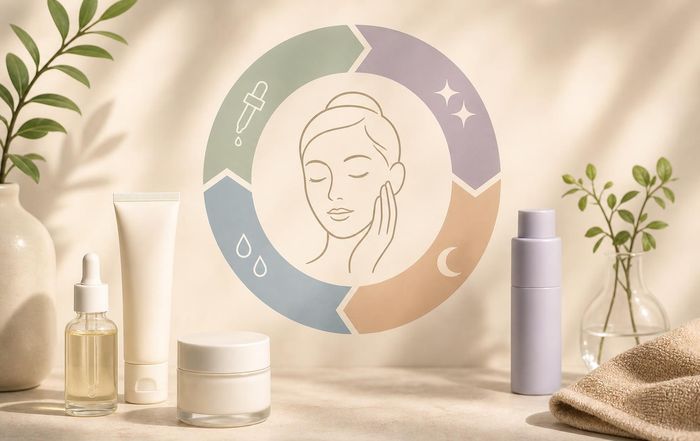
At its foundation, skin cycling is a structured, multi-night rotation designed to help the skin reap the benefits of strong actives such as retinoids and exfoliating acids while preserving the skin barrier and minimizing inflammation. Traditionally presented as a four-night cycle-one night of exfoliation, one night of retinoid, and two nights of barrier-focused recovery-it is, in reality, a flexible methodology that can be adjusted to different skin types, climates, and cultural beauty practices from Seoul to Stockholm and from New York to Nairobi.
Dermatologists in leading global markets, including specialists associated with institutions like Mayo Clinic and Cleveland Clinic, have long emphasized that over-exfoliation and chronic irritation can accelerate barrier damage and sensitivity, even as consumers chase faster results. Skin cycling responds directly to this dilemma by creating predictable windows for controlled stress (through actives) and structured repair (through emollients, humectants, and barrier-supporting ingredients). Those who follow in-depth resources such as evidence-based skincare guidance will recognize that this approach mirrors the broader medical principle of dosing: the right ingredient at the right strength and frequency, with sufficient recovery in between.
The technique also reflects an important psychological dimension. By breaking the week into clearly defined roles for each night, it simplifies decision-making, reduces product impulsivity, and supports long-term adherence, which is critical because most clinically meaningful improvements in texture, hyperpigmentation, or fine lines require consistent use over months, as confirmed by clinical literature shared by organizations such as The Journal of the American Academy of Dermatology and British Association of Dermatologists. Skin cycling, therefore, is not merely a sequence; it is a behavioral design tool that helps users in North America, Europe, and Asia turn intention into habit.
How Skin Cycling Supports a Balanced Daily and Weekly Routine
Balanced skincare is not defined only by which ingredients are applied but also by when and how frequently they are used. Skin cycling provides a weekly architecture that can integrate seamlessly into broader lifestyle routines, from morning commutes in London and Berlin to late-night work schedules in New York, Tokyo, or Singapore. For professionals who consult business-focused resources such as BeautyTipa's business and finance section, time efficiency and cognitive simplicity are as important as product performance, and skin cycling offers both.
On exfoliation nights, users typically apply a chemical exfoliant-often an alpha hydroxy acid (AHA) such as glycolic or lactic acid, or a beta hydroxy acid (BHA) like salicylic acid-to remove dead skin cells, smooth texture, and enhance subsequent penetration of other actives. This approach is supported by dermatological guidance from organizations such as Harvard Health Publishing, which explains how controlled chemical exfoliation can brighten skin and help manage issues like clogged pores and uneven tone when used judiciously. By dedicating a specific evening to this step rather than layering acids haphazardly throughout the week, individuals reduce the risk of cumulative irritation, especially in drier climates like Canada or Scandinavia or in winter seasons across Europe and North America.
The retinoid night that follows leverages the enhanced receptivity of freshly exfoliated skin, though many experts advise a cautious approach for sensitive skin by spacing out exfoliation and retinoid nights further. Retinoids-whether over-the-counter retinol or prescription-strength tretinoin-have decades of clinical backing for their role in promoting collagen production, improving fine lines, and normalizing cell turnover, as described by reputable sources like Cleveland Clinic and NHS in the United Kingdom. By confining retinoid use to a specific night within the cycle, skin cycling allows the skin barrier to adapt and recover, which is particularly valuable for individuals in regions with high pollution, such as parts of China, India, and Brazil, where environmental stressors further challenge skin resilience.
The subsequent recovery nights focus on replenishing the skin barrier with hydrating and soothing ingredients such as glycerin, hyaluronic acid, ceramides, squalane, and niacinamide, often supported by occlusive agents when appropriate. This phase resonates strongly with the philosophy behind wellness-focused routines promoted by us, where self-care is not only about transformation but also about restoration. Dermatological guidance from groups like Skin Cancer Foundation and Canadian Dermatology Association highlights the importance of barrier integrity in defending against UV damage, pollution, and irritants, making recovery nights a critical part of a holistic defense strategy.
Integrating Skin Cycling with Morning Care and Sun Protection
While skin cycling primarily describes an evening routine, its effectiveness depends heavily on what happens during the day. Morning skincare remains relatively consistent across all nights of the cycle and typically emphasizes gentle cleansing, antioxidant protection, hydration, and broad-spectrum sun protection. Experts from organizations such as The Skin Cancer Foundation and World Health Organization have repeatedly underlined that daily sunscreen use is one of the most impactful actions for preventing premature aging and reducing skin cancer risk, especially in high-UV regions like Australia, New Zealand, South Africa, and parts of South America and Southeast Asia.
In practice, a balanced routine pairs the structured intensity of cycling nights with the consistency of a morning ritual centered on antioxidants such as vitamin C or niacinamide, a lightweight moisturizer, and a broad-spectrum SPF 30 or higher. Readers who follow BeautyTipa's guides and tips will recognize that this synergy between night and day care is essential, because retinoids and exfoliants can increase photosensitivity, making diligent sunscreen use non-negotiable. International dermatology bodies, including European Academy of Dermatology and Venereology, stress that without sun protection, the benefits of evening actives are significantly undermined, and the risk of post-inflammatory hyperpigmentation, especially in medium to deeper skin tones prevalent across Africa, South Asia, and Latin America, is increased.
For professionals in urban centers such as New York, London, Paris, Berlin, Singapore, and Tokyo, where indoor office work dominates but incidental sun exposure through windows and during commutes is common, consistent SPF use remains essential. Combining antioxidant serums with photoprotection, as recommended by sources like American Academy of Dermatology Association, helps neutralize free radicals generated by UV radiation and pollution, further complementing the controlled stress-and-repair rhythm of skin cycling.
Tailoring Skin Cycling Across Skin Types, Climates, and Cultures
One of the reasons skin cycling has taken hold across diverse markets is its adaptability. Rather than prescribing a rigid four-night pattern for everyone, experienced dermatologists and estheticians encourage users to customize the cycle based on skin type, age, climate, and cultural skincare norms. Online here, where global readers seek personalized skincare and routine insights, this flexibility is especially relevant.
Individuals with sensitive or rosacea-prone skin-in regions such as the United Kingdom, Scandinavia, and Canada where cold, dry climates can exacerbate redness-may extend the cycle to five or six nights, with only one exfoliation night and one retinoid night, followed by several recovery nights to allow the barrier to fully stabilize. In contrast, those with oilier, more resilient skin, more common in humid climates like Southeast Asia or parts of Brazil and West Africa, may tolerate more frequent actives, though dermatologists still caution against daily strong acid use or high-strength retinoids without professional supervision, as emphasized by organizations such as DermNet New Zealand.
Cultural practices also shape how skin cycling is implemented. In South Korea and Japan, where multi-step routines and layering are deeply embedded in beauty culture, consumers may integrate skin cycling principles into existing multi-step frameworks, designating specific nights for actives while maintaining their essence, ampoule, and mask rituals on recovery nights. In France and Italy, where pharmacy skincare traditions emphasize gentle, barrier-supportive care, the focus may lean more heavily toward milder exfoliants and lower-strength retinoids, paired with rich, soothing creams. In the United States and United Kingdom, where the market for high-strength actives and medical-grade products is robust, skin cycling offers an important safeguard against overuse and helps mitigate the "more is better" mentality that sometimes leads to compromised skin health, a concern frequently highlighted by dermatologists interviewed by reputable outlets like The New York Times and Vogue.
Skin tone and pigmentation patterns also influence how the cycle is adjusted. Individuals with higher Fitzpatrick skin types, common in Africa, South Asia, the Middle East, and Latin America, are more prone to hyperpigmentation and may benefit from carefully paced use of exfoliants and retinoids combined with pigment-regulating ingredients such as azelaic acid, niacinamide, or tranexamic acid. Trusted medical platforms like MedlinePlus and Johns Hopkins Medicine emphasize the importance of gradual introduction of actives and consistent sun protection in these populations to avoid rebound darkening or irritation, which skin cycling is particularly well suited to address.
The Business and Brand Landscape Around Skin Cycling
From a business and finance perspective, skin cycling has reshaped product strategy, marketing narratives, and portfolio design for both established conglomerates and emerging indie brands. Companies such as L'Oréal, Estée Lauder Companies, Unilever, Shiseido, and Beiersdorf have increasingly structured product lines to support phased routines, offering exfoliating serums, retinoid-based night treatments, and barrier-repair moisturizers that can be clearly slotted into a cycling framework. Investors and product developers who follow BeautyTipa's business and finance coverage will recognize that this creates opportunities for cross-selling and routine-based bundles, while also demanding greater responsibility in consumer education.
Brands are now expected to provide not only products but also coherent usage roadmaps. Leading dermatology-focused companies and clinics, including La Roche-Posay (owned by L'Oréal) and CeraVe (under L'Oréal as well), have created educational content that echoes skin cycling principles, emphasizing barrier-first philosophies and the importance of spacing actives. In parallel, digital-first brands in the United States, United Kingdom, Germany, and across Asia are leveraging AI-powered skin analysis, often referencing guidance from organizations like FDA and European Commission's cosmetics regulations, to suggest personalized cycling schedules that respect regulatory limits on active concentrations.
This evolution also aligns with the broader sustainability and minimalism movements in beauty. As consumers in Europe, North America, and increasingly in Asia-Pacific seek to reduce waste and avoid excessive consumption, skin cycling encourages a curated selection of high-impact products rather than an overflowing shelf of overlapping formulas. Business analysts who study beauty and wellness trends note that this shift favors brands that can articulate clear, science-based value propositions and support long-term skin health rather than short-lived novelty.
Technology, Data, and the Future of Personalized Skin Cycling
By 2026, the intersection of technology and beauty has moved far beyond basic e-commerce, and skin cycling has become a prime use case for personalized, data-driven skincare guidance. Digital platforms and apps now track not only which products are used but also environmental conditions such as UV index, humidity, and pollution, drawing on data sources like World Air Quality Index and World Meteorological Organization to adjust cycling recommendations dynamically. Readers who explore BeautyTipa's technology and beauty coverage are increasingly familiar with AI-powered tools that analyze selfies, monitor changes in texture and pigmentation, and suggest when to increase or decrease the frequency of actives.
Wearable technology and smart mirrors, developed by companies such as L'Oréal's technology incubator and other innovation hubs, allow users to receive real-time feedback on skin hydration and redness levels, which can inform whether to insert an additional recovery night or temporarily pause exfoliation. Teledermatology has also expanded access to expert advice in markets like the United States, Canada, Australia, and parts of Europe and Asia, with platforms following medical standards similar to those outlined by American Telemedicine Association and regional health authorities. This combination of human expertise and machine learning helps refine skin cycling schedules for individuals with complex conditions such as acne, melasma, or rosacea, who may require more nuanced protocols.
From a data ethics perspective, responsible companies are increasingly guided by frameworks such as OECD's AI principles and regional privacy laws like GDPR in Europe and PIPEDA in Canada, ensuring that personal skin data is handled transparently and securely. Trustworthiness, a core value for BeautyTipa, is becoming a competitive differentiator in this space, as consumers evaluate not only how effective a recommendation engine is but also whether it respects their privacy and autonomy.
Skin Cycling as Part of Holistic Beauty, Wellness, and Lifestyle
Although skin cycling is a skincare technique, its success is deeply intertwined with broader wellness, nutrition, and lifestyle factors. Dermatologists and nutritionists frequently emphasize that skin health reflects internal balance, echoing insights from organizations such as Academy of Nutrition and Dietetics and World Health Organization, which highlight the roles of diet, sleep, stress, and physical activity in systemic inflammation and skin conditions. Readers who delve into wellness, health and fitness, and food and nutrition sections on BeautyTipa are increasingly aware that a well-structured routine cannot fully compensate for chronic sleep deprivation, high-sugar diets, or unmanaged stress.
In practice, the recovery nights in a skin cycling routine can serve as anchors for broader self-care rituals, whether that means taking time for mindfulness practices, gentle yoga, or simply disconnecting from digital devices earlier in the evening. Sleep research from institutions like National Sleep Foundation and NHS underscores how deep, restorative sleep supports tissue repair, including skin regeneration, which synergizes with the barrier-repair focus of recovery nights. Similarly, balanced nutrition rich in antioxidants, omega-3 fatty acids, and adequate protein supports collagen synthesis and reduces oxidative stress, complementing the topical antioxidants and retinoids used on exfoliation and retinoid nights.
Across global markets-from the United States and Canada to Germany, France, Italy, Spain, the Netherlands, Scandinavia, South Korea, Japan, Singapore, and emerging hubs like Brazil and South Africa-consumers are increasingly embracing a "skin from within and without" philosophy. Skin cycling fits naturally into this holistic approach, providing a structured external routine that can be aligned with internal wellness goals, including regular exercise, mindful eating, and stress management.
Career, Education, and Professional Opportunities Around Skin Cycling
The professional landscape around skincare continues to expand, and skin cycling is influencing how estheticians, dermatology nurses, beauty consultants, and even retail staff are trained. As more consumers ask detailed questions about actives, barrier health, and routine structure, employers in the beauty sector-ranging from multinational groups like Sephora (owned by LVMH) to regional pharmacy chains and online retailers-are investing in upskilling their teams. Those exploring jobs and employment opportunities in beauty can benefit from understanding skin cycling not only as a personal practice but as a professional competency.
Training programs now frequently include modules on how to build and adapt cycling routines for different skin types and concerns, how to identify signs of over-exfoliation or retinoid dermatitis, and when to refer clients to medical dermatologists. Professional associations and certification bodies in the United States, United Kingdom, Germany, Canada, Australia, and beyond are increasingly referencing skin cycling principles in their continuing education materials, aligning practice with emerging consensus from dermatology literature and expert panels. This knowledge is particularly valuable for professionals working in international markets, as discussed in BeautyTipa's international section, where they must navigate diverse regulatory environments, cultural expectations, and climate conditions.
For entrepreneurs and brand founders, especially in Europe, North America, and Asia-Pacific, skin cycling presents opportunities to design products, services, and digital tools that support structured routines. From subscription boxes that deliver a curated set of exfoliants, retinoids, and barrier creams, to apps that integrate with wearable devices and offer personalized cycling schedules, the ecosystem around this methodology is still evolving, with room for innovation grounded in science and user-centric design.
Positioning Skin Cycling Within the Future of Beauty
As the global beauty and wellness industry continues to evolve in 2026, skin cycling stands out as a practical, science-aligned approach that bridges the gap between high-performance actives and long-term skin health. It reflects a broader shift away from impulsive product experimentation toward intentional, structured routines that respect the skin barrier, support psychological well-being, and align with sustainable consumption. For us, whose fashion readers span interests from makeup and fashion to skincare and wellness, skin cycling embodies the Experience, Expertise, Authoritativeness, and Trustworthiness that define modern beauty leadership.
In markets as diverse as the United Kingdom, Canada, Australia, France, Italy, Spain, and more, consumers are converging on the idea that beauty is not a quick fix but a long-term relationship with one's skin and self. Skin cycling offers a clear, adaptable framework for that relationship, grounded in dermatological evidence yet flexible enough to honor cultural rituals, climatic realities, and individual preferences. As technology, science, and consumer expectations continue to advance, the principles behind skin cycling-measured intensity, deliberate recovery, and consistent protection-are likely to remain central to how balanced routines are designed, taught, and lived, both on BeautyTipa and across the global beauty landscape.
